Skip to content
Practical Asian cooking techniques, transparent cookware research, and complete kitchen references
Asian Solutions logo Asian SolutionsCook smarter at home
Research-based cookware roundup · Updated August 6, 2026

The 6 best rice cookers for Asian cooking, from everyday value to pressure induction.

Our top recommendation for most kitchens is the Zojirushi NW-QAC10 Induction Heating Rice Cooker. It combines precise induction heating, practical Asian rice settings, a useful 5.5-cup capacity, and a design that is easier to clean than many premium machines. The better choice may differ when budget, family size, pressure cooking, or compact storage matters more.

How we researched this guide and how affiliate links work

Asian Solutions has not completed controlled hands-on testing of every product on this page. Recommendations are based on manufacturer specifications, category fit, design analysis, and findings reported by established independent test publications. Links to Amazon may earn us a commission at no extra cost to you.

Zojirushi NW-QAC10 Induction Heating Rice Cooker product image on a white background
At a glance

Quick comparison

Start with the use case, capacity, and format. A product that does not fit your normal batch, counter space, and cleaning tolerance is the wrong choice, regardless of how premium it appears.

ProductCapacityHeating systemBest useStandout featureAvailability
Zojirushi NW-QAC10 Induction Heating Rice Cooker product image on a white background
Zojirushi NW-QAC10 Induction Heating Rice CookerBest overall for most Asian-rice households
5.5 cups uncookedInduction heating Households that cook rice several times a week and want one polished long-term machineStrong induction control with genuinely useful Asian rice programs Check price on Amazon
Cuckoo CR-0655F Micom Rice Cooker product image on a white background
Cuckoo CR-0655F Micom Rice CookerBest value fuzzy-logic rice cooker
6 cups uncookedElectric heating with Micom control Families wanting fuzzy logic and multiple rice modes without a premium priceA strong feature-to-price balance Check price on Amazon
Tiger JKT-D10U Induction Heating Rice Cooker product image on a white background
Tiger JKT-D10U Induction Heating Rice CookerBest for synchronized rice and side dishes
5.5 cups uncookedInduction heating Cooks who want rice and a simple side dish ready togetherTiger’s Tacook synchronized meal system Check price on Amazon
Zojirushi NP-NWC10 Pressure Induction Rice Cooker product image on a white background
Zojirushi NP-NWC10 Pressure Induction Rice CookerBest premium pressure-induction model
5.5 cups uncookedPressure induction heating Rice enthusiasts who specifically want pressure induction and texture controlThe most advanced heating system in this group Check price on Amazon
Toshiba TRCS01 Fuzzy Logic Rice Cooker product image on a white background
Toshiba TRCS01 Fuzzy Logic Rice CookerBest larger-capacity value
6 cups uncooked / 12 cups cookedFuzzy-logic electric heating Families that need capacity and multiple programs at a moderate priceLarge useful capacity without premium induction pricing Check price on Amazon
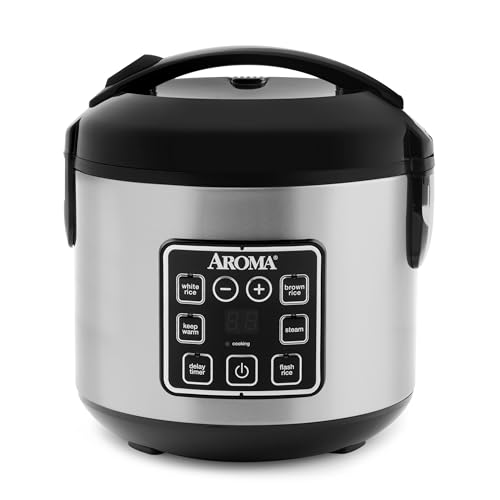
Aroma ARC-914SBD Digital Rice Cooker product image on a white background
Aroma ARC-914SBD Digital Rice CookerBest budget compact model
4 cups uncooked / 8 cups cookedConventional electric heating Budget buyers, small households, and secondary kitchensLow-cost digital convenience in a compact body Check price on Amazon
Editorial method

How we researched and selected these products

This page is deliberately labeled research-based. We do not convert other publications’ test results into a claim that Asian Solutions performed those tests.

1. Rice versatilityWe prioritized machines that can handle more than one white-rice style, including short-grain, jasmine, brown rice, mixed grains, porridge, or congee.
2. Heating systemWe compared conventional bottom heating, fuzzy logic, induction heating, and pressure induction without pretending that the most expensive system is automatically best.
3. Independent evidenceWe checked conclusions from established test publications and separated their hands-on findings from Asian Solutions’ own research-based analysis.
4. Manufacturer verificationCapacity, menu settings, dimensions, accessories, power, and cleaning features were checked against current manufacturer information.
What we did not do: We did not claim to cook identical rice batches in all six machines, measure grain moisture or temperature uniformity, or conduct long-term durability testing. Those require a controlled, hands-on testing program and are planned for future updates.
Best overall for most Asian-rice households

1. Zojirushi NW-QAC10 Induction Heating Rice Cooker

The NW-QAC10 is the most balanced premium rice cooker in this guide. It offers induction heating, dedicated settings for several Asian rice styles, a steam function, and a flat-top design that reduces the awkward lid hardware found on some older premium models.

Capacity5.5 cups uncooked
HeatingInduction heating
MenusWhite, sushi, jasmine, congee, brown, mixed, quinoa and more
Best fitTwo to five people

Advantages

  • Induction heating surrounds more of the inner pot than a basic bottom heater
  • Dedicated jasmine, sushi, congee, brown-rice, quinoa, and steel-cut oatmeal settings
  • Detachable inner lid and integrated steam vent simplify routine cleaning
  • 5.5-cup size suits many couples and families without becoming oversized

Trade-offs

  • Premium price
  • Longer programs than basic switch-style cookers
  • The menu system rewards reading the manual
  • Not pressure cooking, despite the high-end positioning

Why it belongs in this guide

The reason to buy this model is not that induction heating magically fixes poor rice-to-water ratios. Its advantage is finer, more distributed heat control. That can make the cooker more forgiving when the rice variety, room temperature, or batch size changes.

For Asian Solutions readers, the strongest feature is menu relevance. Jasmine rice, sushi rice, congee, brown rice, and mixed grains behave differently. A machine that treats them as separate programs is more useful than one with a long list of novelty presets but only one serious rice cycle.

The 5.5-cup uncooked capacity is a practical middle ground. It can make a modest batch without looking comically oversized on the counter, while still covering a family meal or enough rice for fried-rice leftovers.

Who should choose it

Households that cook rice several times a week and want one polished long-term machine. Its defining advantage is strong induction control with genuinely useful asian rice programs.

Best value fuzzy-logic rice cooker

2. Cuckoo CR-0655F Micom Rice Cooker

The Cuckoo CR-0655F gives buyers a meaningful step up from a one-button cooker without entering premium induction-heating prices. Its fuzzy-logic control and broad menu make it a sensible choice for households that cook several rice styles.

Capacity6 cups uncooked
HeatingElectric heating with Micom control
MenusWhite, brown, mixed, porridge, steam and multi-cook
Best fitBudget-conscious families

Advantages

  • Lower typical price than premium Japanese induction models
  • Six-cup capacity works for families and batch cooking
  • Porridge, brown rice, mixed rice, steam, and multi-cook functions
  • Removable components support easier cleaning

Trade-offs

  • Bulky for very small kitchens
  • Conventional heating is less responsive than induction
  • Interface and translated labels may require adjustment
  • No pressure-cooking system

Why it belongs in this guide

Cuckoo built its reputation around Korean rice cookers, and even this non-pressure model reflects that emphasis on texture and menu flexibility. It is especially attractive to buyers who want Micom control but do not need voice guidance, pressure, or app connectivity.

The larger capacity is useful for Korean mixed rice, Chinese congee, meal-prep portions, and family dinners. The same capacity can be excessive for a solo cook who makes only one or two cups at a time.

This is a value pick because it spends money on the cooking logic rather than premium exterior materials. Buyers should still expect to rinse rice carefully and use the marked water lines as a starting point rather than an unquestionable rule.

Who should choose it

Families wanting fuzzy logic and multiple rice modes without a premium price. Its defining advantage is a strong feature-to-price balance.

Best for synchronized rice and side dishes

3. Tiger JKT-D10U Induction Heating Rice Cooker

Tiger’s JKT-D10U stands out for synchronized cooking. Its accessory system can cook rice below while a compatible side dish cooks above, which is valuable when counter space and weeknight timing matter.

Capacity5.5 cups uncooked
HeatingInduction heating
MenusPlain, synchro-cooking, jasmine, brown, porridge and more
Best fitWeeknight meal preparation

Advantages

  • Induction heating
  • Tacook synchronized cooking system
  • Three-layer metal inner pot with ceramic coating
  • Compact 5.5-cup size

Trade-offs

  • Accessory-based workflow has a learning curve
  • Cooking a side dish can affect the ideal rice quantity
  • Premium price relative to basic fuzzy-logic units
  • Fewer enthusiast-focused settings than some Zojirushi models

Why it belongs in this guide

The Tacook concept is more than a novelty when used for simple steamed proteins, vegetables, or reheating. It turns the rice cooker into a coordinated meal appliance without requiring pressure cooking.

Its induction system supports steadier temperature control than a simple heating plate. The ceramic-coated multilayer pot is designed to balance heat distribution with manageable weight, although the coating still deserves nonabrasive utensils and careful cleaning.

Choose Tiger when the question is not only how the rice tastes, but how the rice cooker fits the rest of dinner. For a household that already uses separate pans for every component, the synchronized function may be less important.

Who should choose it

Cooks who want rice and a simple side dish ready together. Its defining advantage is tiger’s tacook synchronized meal system.

Best premium pressure-induction model

4. Zojirushi NP-NWC10 Pressure Induction Rice Cooker

The NP-NWC10 is for buyers willing to pay substantially more for pressure induction and fine texture control. It is not the sensible default for everyone, but it represents the high end of countertop rice cooking.

Capacity5.5 cups uncooked
HeatingPressure induction heating
MenusMultiple white-rice textures, sushi, brown, mixed, steel-cut oatmeal
Best fitEnthusiasts prioritizing rice texture

Advantages

  • Pressure plus induction heating
  • Multiple texture selections for white rice
  • Premium build and detailed cooking logic
  • Strong fit for frequent short-grain and Japanese rice cooking

Trade-offs

  • Very expensive
  • Large learning curve for casual users
  • Long cycles
  • More parts and pressure-related cleaning than non-pressure models

Why it belongs in this guide

Pressure changes the boiling environment inside the cooker and can alter starch gelatinization and texture. That is most valuable to users who notice and care about subtle differences in short-grain rice rather than buyers who simply need dependable jasmine rice on a weeknight.

The machine offers many choices, but extra settings are useful only when the household is willing to learn them. A simpler induction model can be the better ownership experience when nobody wants to navigate texture menus.

The premium should be judged against cooking frequency. A household using it twice a day may appreciate its refinements. A household using it twice a month will struggle to justify the counter space and cost.

Who should choose it

Rice enthusiasts who specifically want pressure induction and texture control. Its defining advantage is the most advanced heating system in this group.

Best larger-capacity value

5. Toshiba TRCS01 Fuzzy Logic Rice Cooker

The Toshiba TRCS01 is a practical family-size cooker with fuzzy logic, a steaming basket, and programs that cover common rice and grain needs without premium pricing.

Capacity6 cups uncooked / 12 cups cooked
HeatingFuzzy-logic electric heating
MenusWhite, brown, mixed, quick, porridge, steam and more
Best fitFamilies and batch cooking

Advantages

  • Useful 12-cup cooked capacity
  • Seven core cooking functions
  • Steam basket adds versatility
  • Clear digital controls

Trade-offs

  • Takes more counter space than compact models
  • Less precise heating than induction systems
  • White exterior may show staining
  • Large capacity is unnecessary for small households

Why it belongs in this guide

This is the rational choice for a family that needs volume more than prestige. Its fuzzy-logic control adjusts time and temperature rather than relying on a single mechanical switch, which improves flexibility across rice types.

The porridge and steaming functions fit Asian breakfasts and simple meal preparation. The cooker can also handle grains and some one-pot dishes, but it should not be treated as a replacement for an electric pressure cooker.

Capacity should be chosen around the smallest normal batch as well as the largest. A six-cup uncooked cooker can produce a lot of rice, and very small batches may not be its strongest use case.

Who should choose it

Families that need capacity and multiple programs at a moderate price. Its defining advantage is large useful capacity without premium induction pricing.

Best budget compact model

6. Aroma ARC-914SBD Digital Rice Cooker

The Aroma ARC-914SBD is the budget pick for buyers who want basic digital control, steaming, and a compact footprint. It cannot match premium texture control, but it covers everyday rice at a low entry cost.

Capacity4 cups uncooked / 8 cups cooked
HeatingConventional electric heating
MenusWhite, brown, steam, keep warm
Best fitStudents, couples, and occasional use

Advantages

  • Affordable
  • Compact footprint
  • Simple digital controls
  • Steam tray and delay timer add usefulness

Trade-offs

  • Basic heating system
  • Fewer rice-specific programs
  • Inner-pot durability and finish are less premium
  • Less consistent with demanding specialty rice

Why it belongs in this guide

A budget rice cooker can still be a major improvement over unattended stovetop cooking. The Aroma automates shutoff and keep-warm behavior, reducing the attention required for ordinary white and brown rice.

Its value depends on realistic expectations. It is not a pressure-induction machine and should not be compared as though it were. It is a convenience appliance for everyday batches.

For a student, couple, or secondary kitchen, the smaller footprint may matter more than advanced menus. Buyers who become highly particular about sushi rice or congee can upgrade later.

Who should choose it

Budget buyers, small households, and secondary kitchens. Its defining advantage is low-cost digital convenience in a compact body.

Buying guide

How to choose the right rice cookers

Choose capacity by your normal batch, not the biggest holiday meal

Rice-cooker capacity is usually stated in uncooked 180-milliliter rice cups, not standard US cups. A 5.5-cup machine can already make a substantial amount of cooked rice. Oversizing may waste counter space and can reduce performance with very small batches.

Conventional heating, fuzzy logic, induction, and pressure induction

A simple cooker senses when water has been absorbed and switches to warm. Fuzzy-logic models adjust cooking decisions based on sensor input. Induction heats the pot more broadly and responds quickly. Pressure induction adds pressure to alter texture and starch behavior. Each step can improve control, but also raises cost and complexity.

Match programs to the rice you actually buy

Jasmine, Japanese short-grain, basmati, brown rice, mixed grains, and congee do not need identical time and water management. Dedicated programs are valuable when they correspond to your pantry. A long menu full of functions you never use is not a reason to pay more.

Inner-pot construction and replacement cost

The inner pot is a wear item. Coatings can be damaged by metal utensils, abrasive pads, or stacked dishes. Before buying a premium cooker, check whether replacement pots and inner lids remain available and how much they cost.

Keep-warm quality matters

Many households leave rice warm for hours. Poor keep-warm control can dry the surface, yellow the rice, or create condensation. Premium cookers often manage this better, but rice should still be handled according to food-safety guidance and the manufacturer’s time limits.

Cleaning should be part of the buying decision

Steam caps, gaskets, pressure lids, and condensation collectors can trap starch and odors. A detachable inner lid and straightforward steam vent matter more over years of ownership than a decorative exterior.

Ownership guide

How to use and care for this type of appliance

  1. Rinse and measure rice consistently so that program comparisons are meaningful.
  2. Use the cooker’s supplied rice cup and water lines as the initial reference.
  3. Remove and wash the inner lid, steam vent, and condensation parts as directed.
  4. Dry the exterior of the inner pot before placing it back over the heater.
  5. Use nonabrasive utensils to protect coated inner pots.
  6. Do not leave cooked rice at room temperature for extended periods; use the approved keep-warm function or refrigerate promptly.

Manufacturer instructions take priority over general guidance. Models differ in electrical load, removable parts, coating care, water systems, and safe cleaning methods.

Questions answered

Frequently asked questions

Is induction heating worth paying for?

It is most worthwhile for frequent users who cook several rice styles and care about consistency. A good fuzzy-logic cooker remains sufficient for many households.

What size rice cooker should a family of four buy?

A 5.5- or 6-cup uncooked model is usually generous for a family of four, including leftovers. Smaller families may prefer a 3-cup model.

Can a rice cooker make congee?

Yes, when it has a porridge or congee program and the manual provides safe fill limits. Congee expands and can foam, so do not improvise beyond the marked capacity.

Can I cook basmati or jasmine rice in a Japanese rice cooker?

Yes. Use a dedicated jasmine or long-grain setting when available, or begin with the manufacturer’s white-rice guidance and adjust water in small increments.

Does expensive rice cook better automatically?

No. Rice quality, rinsing, water ratio, freshness, and the correct program remain important. Premium hardware improves control but cannot correct every preparation error.

How long can rice stay on keep warm?

Follow the manufacturer’s instructions. Extended warming can reduce texture quality even when the appliance maintains a safe temperature.

Should the rice be soaked before cooking?

Many advanced cookers include soaking within the program. Check the manual before adding a separate soak, because doing both can change texture.

Can I use the rice cooker as a slow cooker?

Only when the model specifically supports that function. A rice cooker and an electric pressure cooker regulate heat differently.

Sources and verification

Primary specifications and independent test context

Product revisions, availability, accessories, and retailer listings can change. Check the exact model and seller before purchase.